By Jason Kramer
While surfing the web, it is easy to turn to digital piracy as it seems streaming services are a hightide robbery. To be able to watch movies and T.V. shows online through streaming services might cost you an arm and a leg, and this time with no hook for a hand in return.
The rise in the amount of streaming services to choose from, the continuous increase in prices, an incomplete catalog of content with inconsistent content output, it is no shock that people are jumping ship from streaming services and considering becoming a pirate as of late. The thing is, not all pirates are bad people. Some audiences of media have been shown to have that while pirating, still are more likely to spend more money on the franchise. Then there is the effect of piracy sites as a digital library for media acting as a safeguard against possible deletions or retraction. I decided to investigate the cause of the recent increase in digital piracy by interviewing the customers most affected by the recent change within streaming culture.
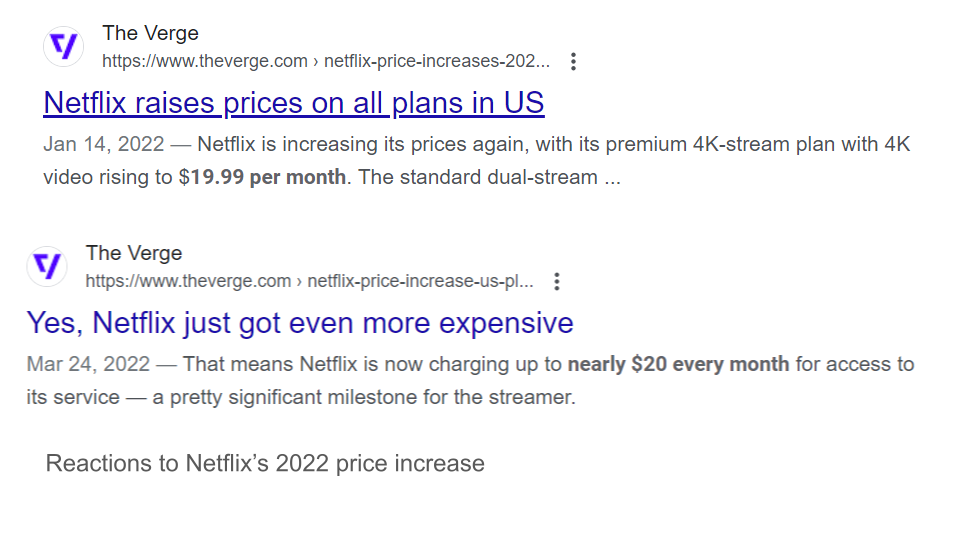
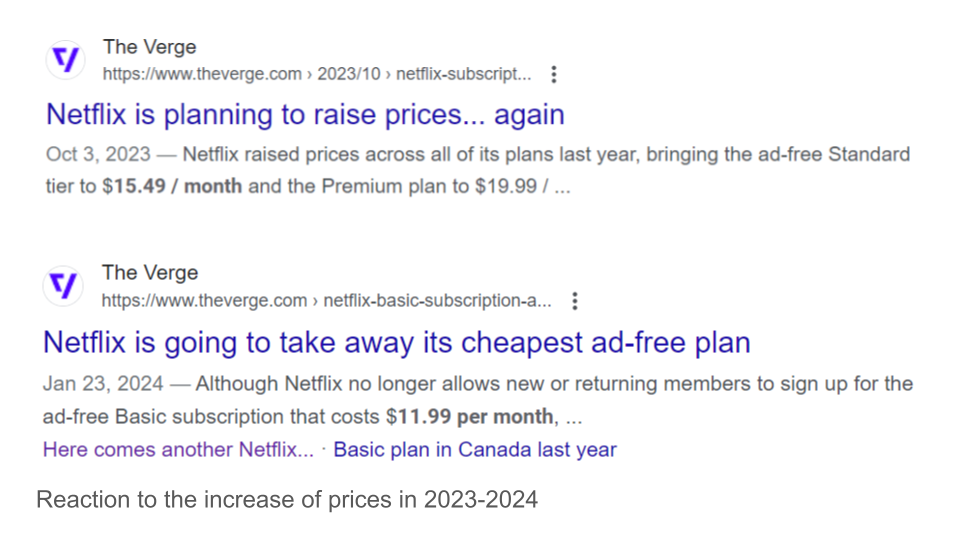
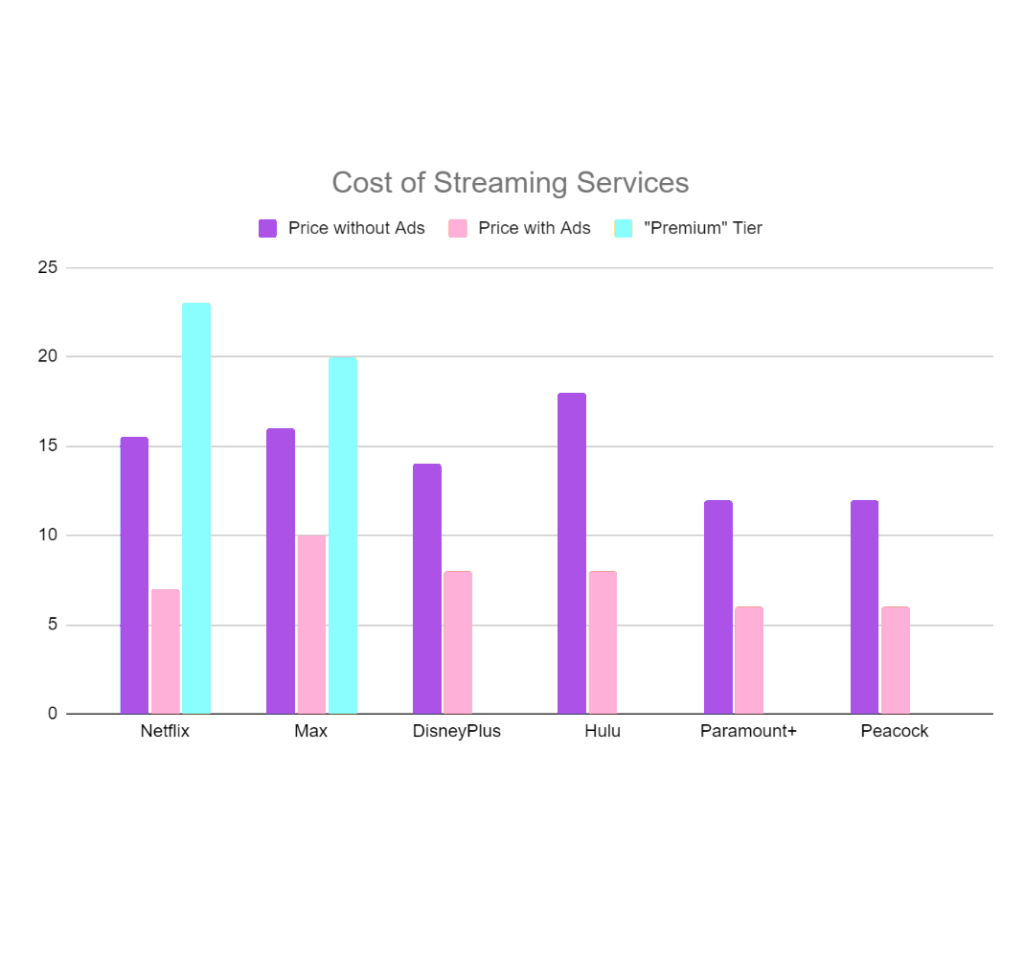
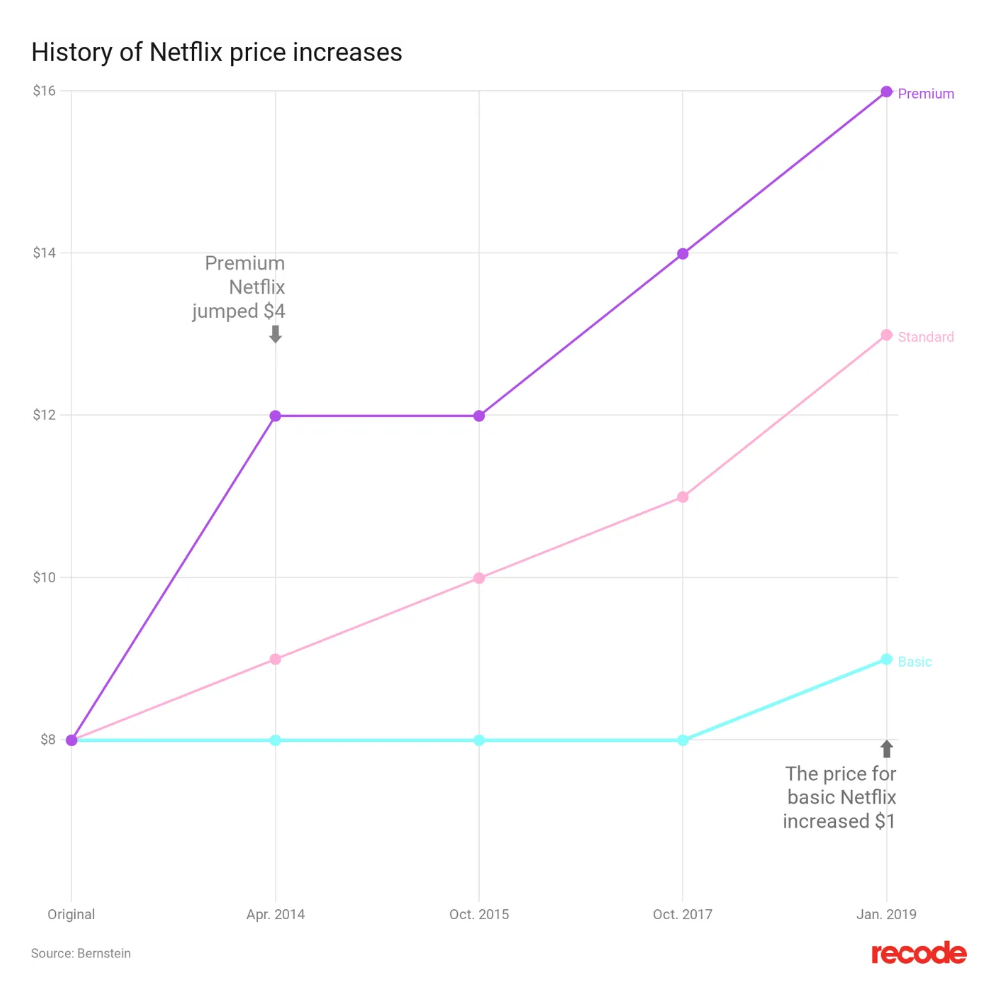
Streaming services prices are constantly on the rise, Netflix is raising their “basic” and “premium” subscription prices by $2, DisneyPlus’ subscription rose $3 monthly, and Max (Formerly HBOMax) has risen $1. All three of these changes were announced last year, 2023. While no one is a fan of paying more, none are more troubled with it than college students. Most students are already drowning in debt and struggling to pay for basic necessities and then you tack on entertainment prices constantly rising. Netflix, the biggest streaming service, has recently revoked it’s previous password sharing deal. Making it so that only households can freely share passwords without paying for an additional member. This new change makes it so students living on campus in a dorm or apartment can no longer freely use their parent’s or families Netflix account like they used to.
One student that I talked to had stated how frustrating they were that due to the password sharing changes that Netflix implemented, they were no longer able to use the Netflix account that their parents pay for due to them not living in the same household anymore. Another point that was brought up numerous times with the people I had interviewed was the accessibility. When looking up where shows or movies are hosted online, people will use the streaming services that they are already paying for. The issue comes in when that product is not available on a streaming service they have access to. A vast majority of people are more inclined to pass on viewing a movie or show they had a passive interest in watching than are willing to pay monthly for an entirely new streaming service. If the viewer is not going to pirate, they are not going to watch. People will flock to the easiest most accessible source, and a lot of the time that is through legitimate sources, however there comes a time where the simplest and easiest solution is to pirate. Disney+ homes two out of three of the MCU’s Spider-Man trilogy: Spider-Man: Homecoming and Spider-Man: Far From Home. The third movie however is not available on any streaming services at the moment. There are 15 seasons of Ninjago and Netflix, Amazon Prime, and PlutoTV have 10 seasons and Tubi only has seven. There are now so many streaming services, that it has no longer become the most convenient option in order to watch a show.
Another medium that pirating seems to be taking over is the comics and manga industries. One big issue is obtaining the physical copies legally, when it comes to manga the english translation and localization can take a while to make it’s way over to the U.S., if it comes at all. Comic books now are fairly elusive to find unless you happen to live close to a store dedicated to comics books. Gone are the days of finding Action Comics #1061 in the grocery store. One of the main reasons that so many people turn to a life of piracy is due to the inaccessibility of physical media. Another thing we have to keep in mind when it comes to piracy is that pirating one issue or volume of a comic does not mean you don’t support the creator. One source that I talked to read a bunch of comics online, and after reading and liking them all then they sought out the full bundle to buy. Without piracy, buying comics is a gamble on whether or not you will like it. With the writers and artists of stories changing so frequently a once loved comic book can quickly turn sour. For avid readers who like the large universes, pirating a comic is a way of vetting the story to make sure you are not wasting your money on something you dislike since buying comics of everyone you are a fan off can become an extremely expensive hobby.
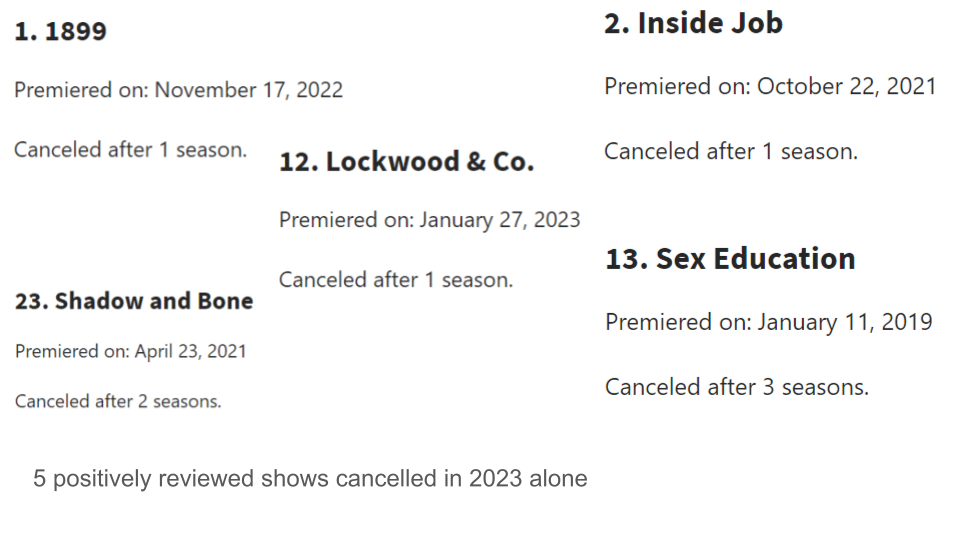
The last angle that I want to look at when it comes to piracy is the function that it serves when it comes to being a digital library and housing media that would otherwise be unavailable. The selling of physical copies in the form of DvDs has decreased 4.9 billion from 2011 to 2021, going from 6.1 to only 1.2 billion. Sales are decreasing yet their importance is only growing, with shows being produced specifically for streaming services rather than for cable or dvd production, some shows exist only online and therefore are able to be removed like they were never created. Disney recently did this with a Disney+ exclusive show called “Willow”, a show made in 2022 for the streaming services that was then wiped off the website for cost cutting measures. All the hard work that went into the show was erased, and the product that the fans liked was gone, it exists nowhere legally.