Degree or No Degree?
by Emily Fadako
“If I could go back in time and talk to 18-year-old me, I’d tell him to just go for it.”
In an era where obtaining a college degree not only proves that you are knowledgeable in a field of your choice, it represents the idea that you, as an individual, have gone through some type of transformation. Some Philadelphians believe that a degree is the key to a successful future, but for others, they couldn’t care less. There is a possibility that the worth of a degree depends on how old an individual is. So, to get to the bottom of it, is a college degree the key to success, or is it just an expensive bookmark?
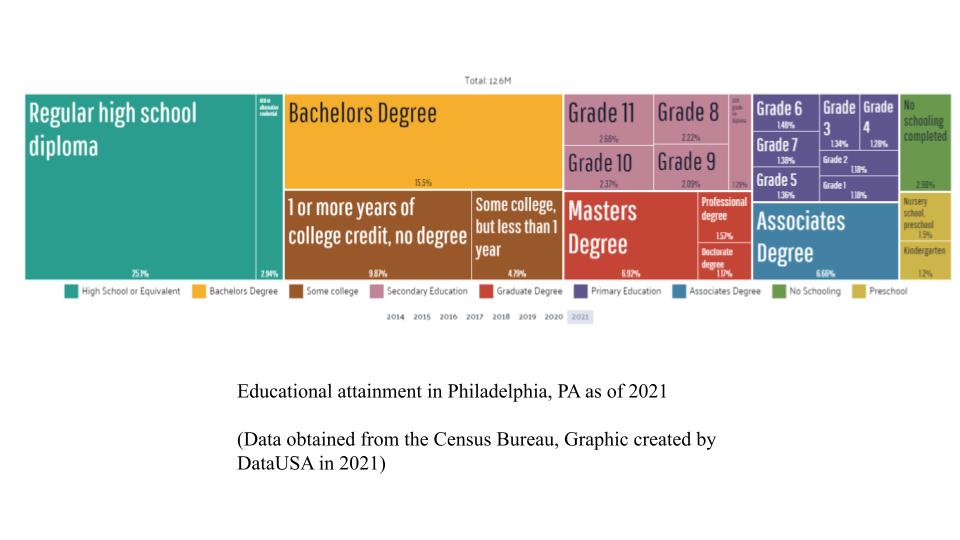
The United States Census Bureau website notes that from the years 2018 to 2022, only about 33.6 percent of Philadelphians above the age of 25 obtained a Bachelor’s degree or higher. Making the decision of what to do to set up your future at 18-years-old is a tough one. Do you begin to work and save up money, or do you go to “second high school” in an attempt to potentially increase your salary when you do begin to work, or so that is the plan. Some people don’t actually have a choice, they are influenced by their parents on what to do, while others have ultimate freedom. But is the choice really that simple? It doesn’t appear so. I set out to explore different factors of why people choose to not attend college, and I found within my perspectives that it’s not due to wanting to avoid endless homework, it’s because of familial factors.
This big decision has been in play for many years, across different generations. The first person I went to in undissolving this question was a Gen X man. John, who is now 54 years old, graduated high school in 1986 and attended Penn State University for a semester months later. But, even though he made the decision to go for a Bachelor’s Degree at first, he left school and began to work. Now, he is a supervisor in the IT department at Aqua America in Bryn Mawr, Pennsylvania.
John told me that college seemed the route to go down because his father influenced him to make a better decision than he had. His father had moved his family to Philadelphia from Ashland, a small town where boys grew up to work in the coal mines.
“He wanted to create a better life for my brothers and I. I think he knew that in Philly there were more opportunities, but I also knew it killed him having to leave his brother behind up there” John said while picking the skin off around the edges of his nail beds.
Despite wanting to subtly let his father know that it was the right decision to move to Philadelphia, John had to drop out of school within the first semester. His father had gotten sick, and his mother was in no shape to take care of him herself. So, John made the tough decision to sacrifice his reputation from the neighborhood and dropped out to care for his parents.
However, decades later, John regrets his decision. “If I could go back in time and talk to 18-year-old me, I’d tell him to just go for it.”
Unable to be promoted in the workplace due to not holding a degree, John wishes he would have known that his father would have been okay for a few more years, meaning he would have been able to obtain his Bachelor’s degree and come back home for more time with his parents.
Hear more about what John has to say in regards to his decision, while offering advice for those who are currently in the process:
On another note, I wanted to explore a younger decision-maker who ultimately decided to not attend college to see if there was a difference in the contributing factors between two generations.
Sean, a Gen Z 20-year-old who holds a career within a family business, graduated from high school almost two years ago and made the decision to not further his education. Though he wanted to avoid the idea of attending “second high school,” there were more in depth reasons to consider within his decision.
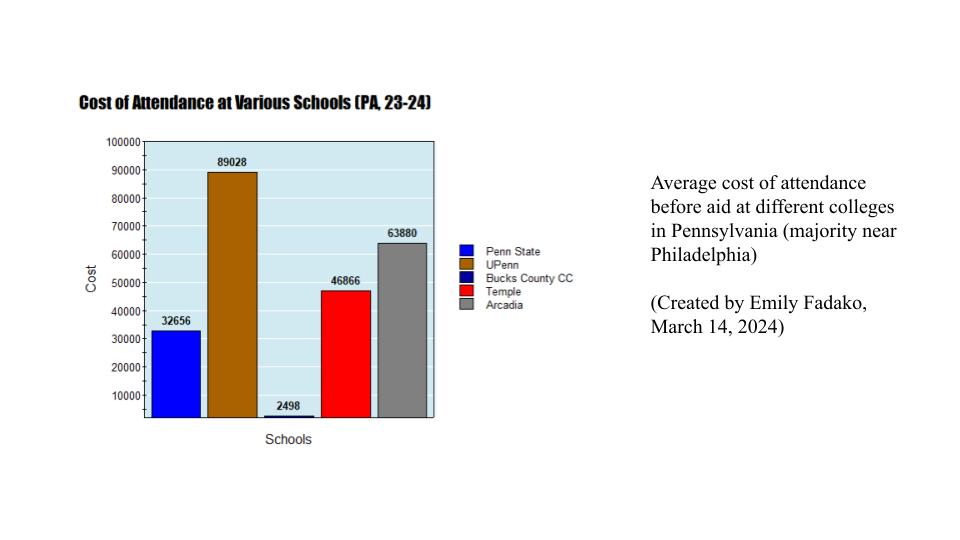
“College is just so expensive nowadays. Coming out of high school, of course I didn’t have any money. I didn’t wanna ask my parents to help me pay for school either ‘cause then I’d feel guilty.”
Holding a steady job with good income now though, Sean still does not have the goal of obtaining a degree in his future. As a fitness repair technician, he feels as though years of experience will always beat education within his field.
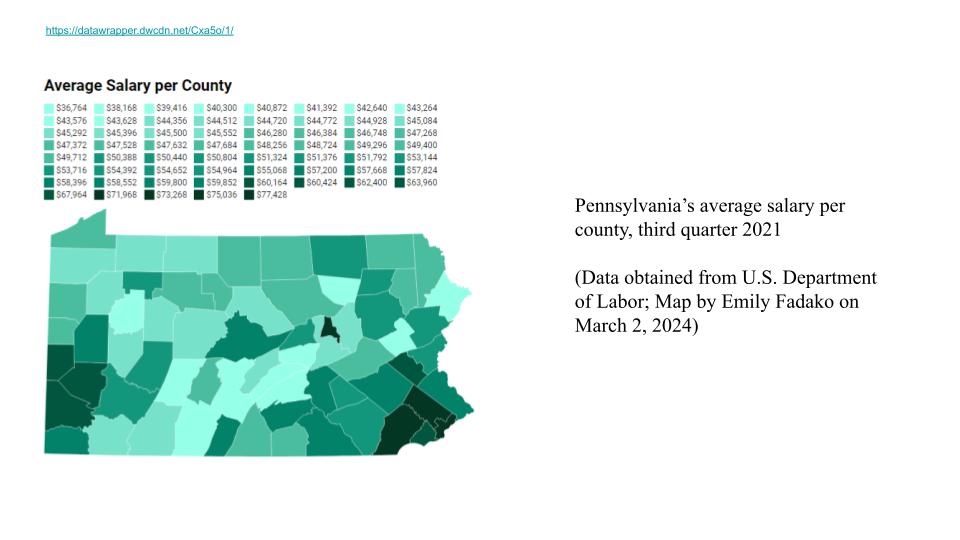
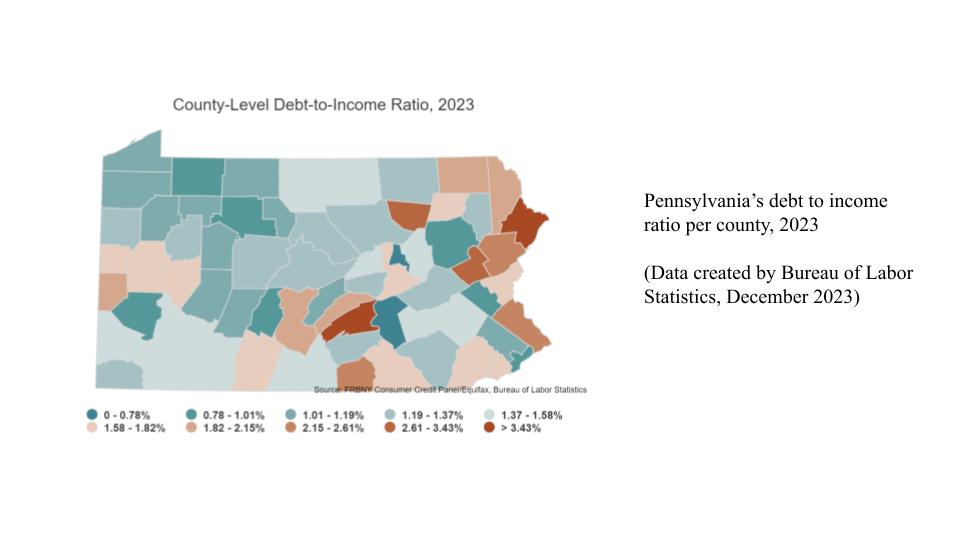
One of the biggest differences between the decision John and Sean faced was this financial situation. College in the mid 80s was much cheaper than it is today. This is a problem that many Philadelphia students take into account. Graduating with a giant amount of debt does not seem worth it to many people.
However, the decisions to not obtain a degree relate on a family level. John dropped out for the sake of his father’s health, while Sean chose not to attend to prevent his family from suffering financially.
There are other options out there though. College is not for everyone, and with a growing job market, there are plenty of opportunities that do not require that degree. As both John and Sean mentioned to me in our conversations, trade school is a great way to educate yourself without having to sit through two to four years of university.
Though he didn’t have a choice, Sean sat down for a video interview and discussed his two years in trade school and how it helped him with the job he currently has. His high school offered a trade program for juniors and seniors, and taking up the opportunity, he decided to focus on automotive repair. Even though this doesn’t exactly relate to his current job, it still taught him a lot about repair. Sean’s take on his decision can be seen here:
Other options include the military or jumping straight into the workforce. Experience is highly valuable, and sometimes job recruiters look for experience over education. It all depends on the field that you are getting into.
College does not have to be the only path that every individual needs to take. Societal pressures to attend have reduced, especially from Generation X to Generation Z, as people nowadays understand that there are different options out there. In fact, inflation has grown so much and salaries are not financially providing enough for everyone to be able to make the decision.
Deciding on whether or not to obtain a degree is not a simple yes or no decision. There are other contributing factors, such as needing to help family like John, or finding college too expensive like Sean.
Whatever choice you decide to make should be the best decision for you. Letting others decide for you does more harm than good, so, take the time and truly debate your options. If it’s not obtaining a degree, that’s okay. And if it is, that’s okay too. Make the most out of your life.